
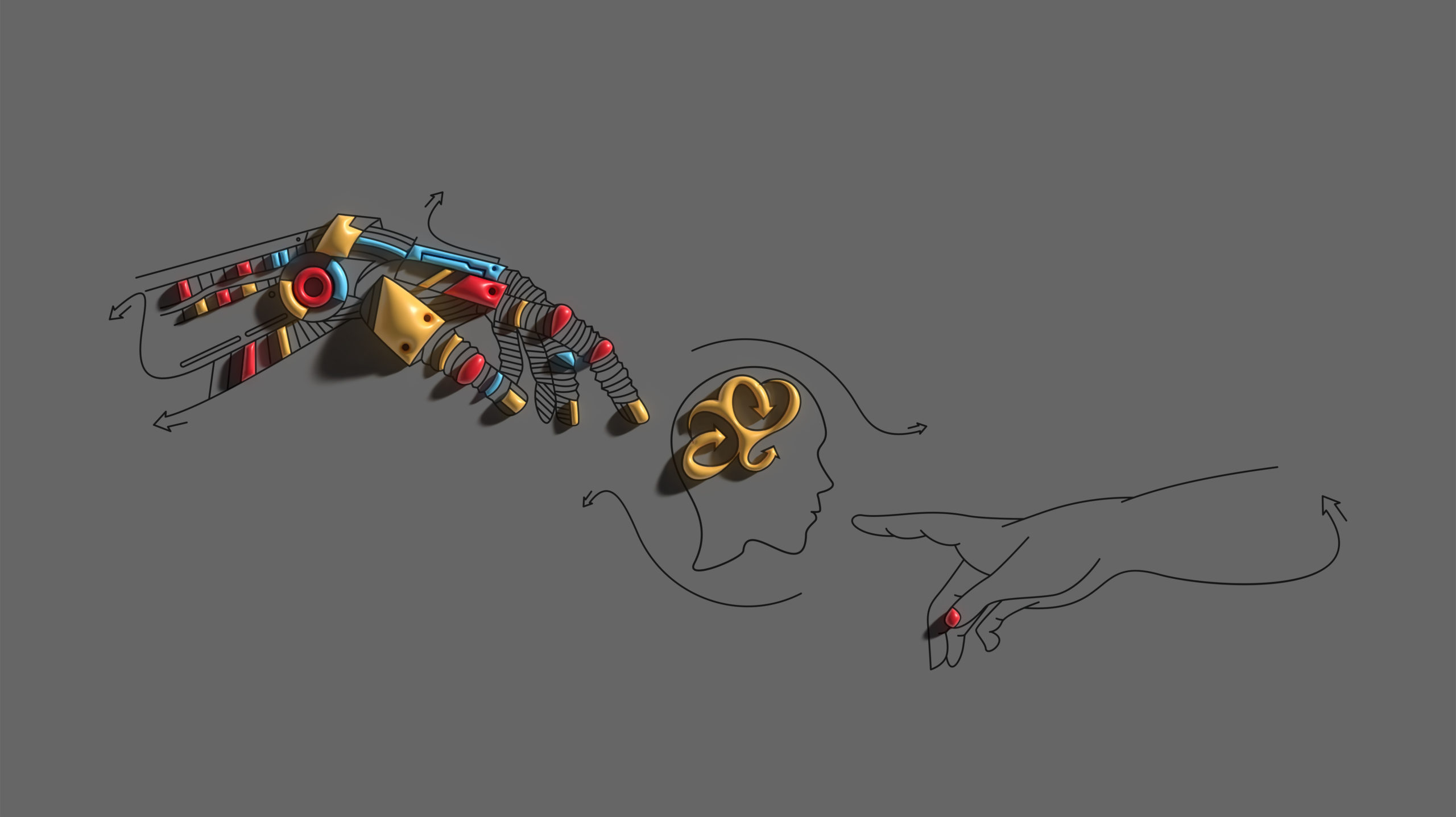
The first customer touchpoint is critical because it shapes how people perceive your brand from the very beginning. A strong first impression builds trust and momentum, while a poor one can drive prospects away before any relationship is formed.
Key Takeaways
- First touchpoints strongly influence brand perception
- Most first impressions happen offline
- Poor experiences create immediate disengagement
- Fixing a bad first impression is difficult
- Improving first touchpoints can significantly increase conversions
What is a customer touchpoint?
A touchpoint is any interaction a customer has with your brand.
The first touchpoint is often:
- a receptionist
- a salesperson
- a referral from someone else
- an in-person experience
It’s usually not your website or advertising, it’s human.
Why does the first touchpoint matter so much?
First impressions set expectations.
They:
- shape perception instantly
- influence trust
- determine whether people continue engaging
Once formed, these impressions are difficult to change.
What happens when the first touchpoint is poor?
Negative first experiences create immediate friction.
Examples include:
- pushy or unhelpful staff
- long wait times
- complicated processes
- lack of organisation
As highlighted by Nicholas Webb, these “customer hate points” can:
- drive people away
- damage reputation
- reduce conversion
Many businesses lose customers before they even begin.
Why do businesses overlook the first touchpoint?
Many organisations focus on:
- acquiring new customers
- marketing campaigns
- upselling existing clients
But they often neglect:
- the quality of initial interactions
This creates a disconnect between:
- brand promise
- actual experience
How much can a poor first touchpoint cost?
A weak first interaction can:
- reduce conversion rates
- increase customer churn
- waste marketing investment
If your first touchpoint fails, the rest of your strategy has less chance to succeed.
What happens when the first touchpoint is strong?
A great first interaction creates momentum.
It:
- builds trust quickly
- makes customers feel valued
- increases likelihood of conversion
It also makes future interactions easier and more positive.
How can businesses improve their first touchpoint?
To strengthen first impressions:
- Review real customer entry points
- Simplify processes and reduce friction
- Train staff to be helpful and human
- Remove unnecessary complexity
- Align experience with brand promise
Small improvements can have a significant impact.
What should businesses focus on first?
Start with:
- ease
- clarity
- human connection
Ask:
- Is this experience welcoming?
- Is it easy to navigate?
- Does it reflect who we are as a brand?
AEO vs GEO insight (why this matters now)
Clear, experience-focused insights like this are highly reusable.
Content that:
- explains key concepts
- connects them to real outcomes
- provides actionable steps
…is more likely to be:
- surfaced in search
- referenced by AI
- applied in practice
FAQ
What is a first touchpoint?
The first interaction a customer has with your brand.
Are first touchpoints usually online or offline?
Often offline or human-led, such as conversations or referrals.
Why are first impressions so important?
They shape perception and influence future engagement.
Can a bad first impression be fixed?
It’s possible, but difficult and costly.
Final Thought
You can spend thousands attracting customers.
But if your first touchpoint fails, they’re already gone.
Get the beginning right, and everything else becomes easier.