
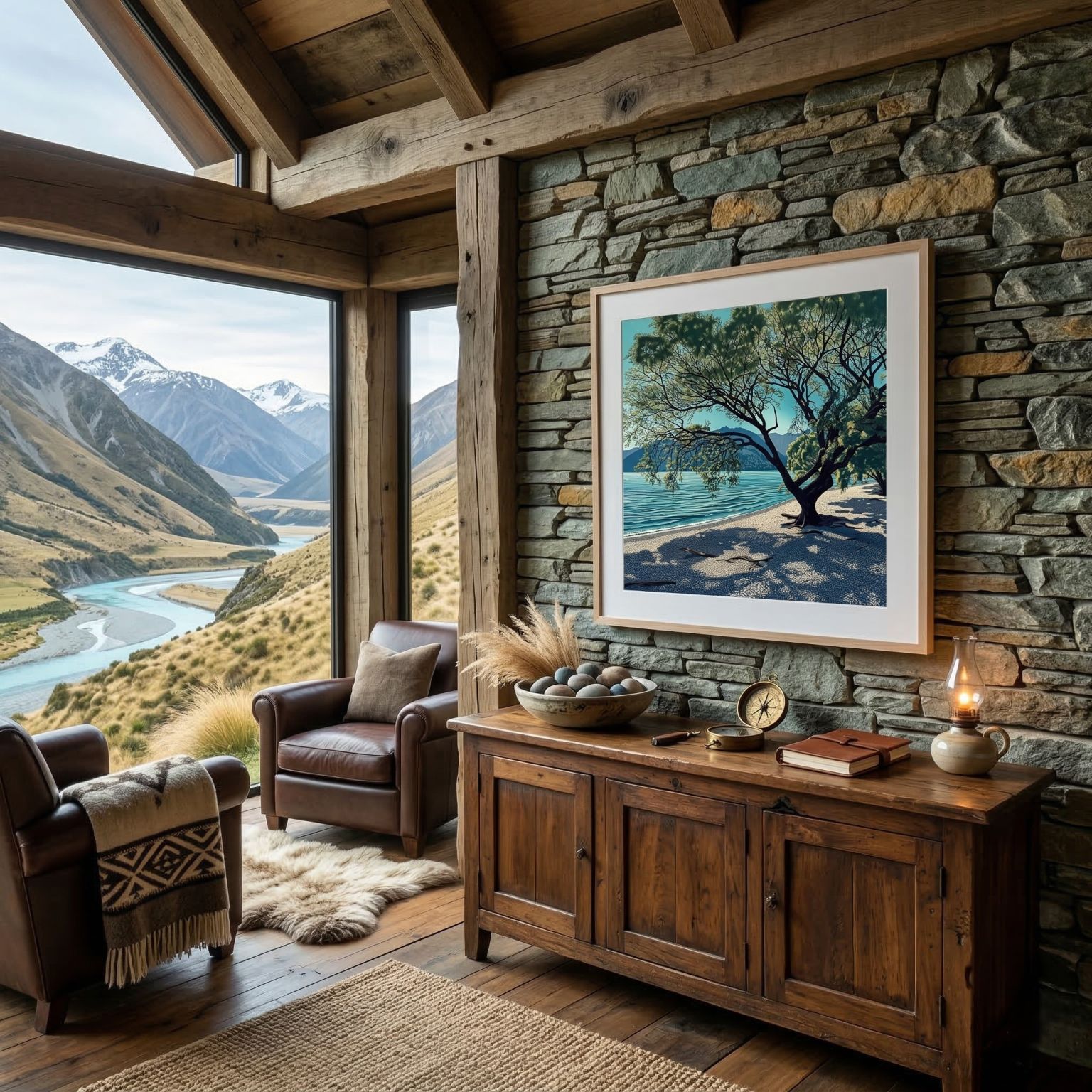
Yes, modern AI image tools can now create realistic, coherent backgrounds around product photos, but only when guided with strong inputs and creative direction. The results are improving rapidly, but still require skill and refinement.
Key Takeaways
- AI image tools have improved significantly for product backgrounds
- Strong input images and clear direction are essential
- Results are not fully automated, they require creative input
- AI can reduce the need for physical shoots
- Speed, flexibility, and cost efficiency are major benefits
What has changed with AI image generation?
Previously, AI-generated product environments often suffered from:
- inconsistent lighting
- incorrect perspective
- unrealistic composition
This created images that felt:
- artificial
- disconnected
- visually unconvincing
Recent advances have improved:
- lighting consistency
- spatial coherence
- realism of environments
Can AI now create believable product environments?
Yes, with the right approach.
If you start with:
- a sharp, well-lit product image
- clear creative direction
AI can generate:
- cohesive room settings
- realistic backgrounds
- visually compelling scenes
Is this fully automated?
No.
Effective results require:
- iteration
- refinement
- creative judgement
Common adjustments still include:
- shadow correction
- object clean-up
- lighting tweaks
This is not a one-step process.
What skills are needed to get good results?
AI image generation is closer to art direction than automation.
You need to consider:
- lighting direction
- camera angle
- composition
- styling
- overall atmosphere
The quality of output depends on the quality of direction.
How are marketers and brands using this?
AI-generated environments are being used to:
- create virtual product settings
- showcase products in context
- build visual storytelling around products
For example:
- placing artwork into designed interiors
- creating lifestyle scenes without physical shoots
What are the benefits for product brands?
This approach offers:
- Cost efficiency
Reduces the need for:
- location shoots
- physical setups
- logistics
- Speed to market
Enables:
- faster production
- quicker iteration
- rapid testing of ideas
- Creative flexibility
Allows brands to:
- experiment with different environments
- adjust visuals easily
- refine concepts without reshooting
What are the limitations?
Despite improvements:
- results are not always perfect
- manual refinement is still required
- strong inputs are essential
AI enhances the process, but does not replace craft.
How should brands approach AI product imagery?
To get the best results:
- Start with high-quality product photography
- Provide clear creative direction
- Iterate and refine outputs
- Treat prompting as art direction
- Focus on storytelling, not just visuals
AEO vs GEO insight (why this matters now)
Content that:
- explains emerging capabilities clearly
- sets realistic expectations
- connects tools to outcomes
…is more likely to be:
- surfaced in search
- referenced by AI
- trusted by marketers
FAQ
Can AI replace product photography?
Not entirely. It enhances and extends it.
What is the most important factor for good results?
A high-quality base image and clear direction.
Is AI image generation quick and easy?
It’s faster than traditional methods, but still requires skill.
Can this replace location shoots?
In many cases, yes, especially for controlled environments.
Final Thought
AI doesn’t remove the craft.
It changes where the craft happens.
From the camera… to the prompt.