
Serialised content works because it builds curiosity, anticipation, and ongoing engagement. Instead of delivering everything at once, it creates a narrative that keeps audiences coming back for more.
Key takeaways
- serialised content builds anticipation and retention
- curiosity drives continued engagement
- stories are more powerful when stretched over time
- most brands give away too much too quickly
- structure and sequencing improve content performance
What is serialised content?
Serialised content is:
- content delivered in stages
Each piece:
- connects to the next
- builds a larger narrative
- leaves something unresolved
Why does serialised content work?
Because it leverages:
- curiosity
- tension
- incomplete information
People are naturally driven to:
- seek closure
- follow stories
- return for resolution
Is this a new idea?
Not at all.
Serialised storytelling has existed for:
- centuries
A classic example of serialised storytelling
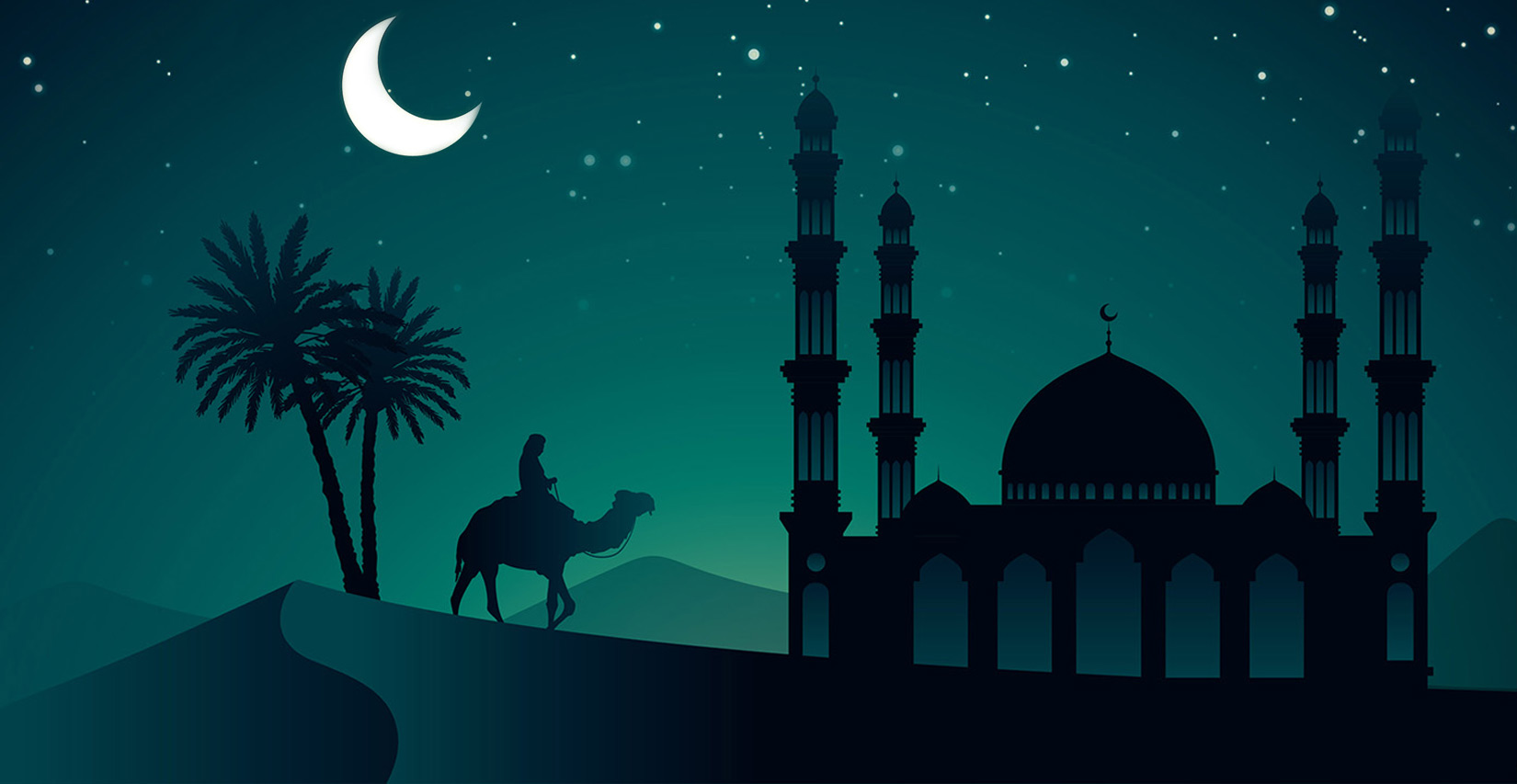
One Thousand and One Nights (Arabian Nights) is one of the earliest and most powerful examples.
The story behind the structure
In the tale of:
- Scheherazade
She:
- tells stories night after night
- stops before the ending
- creates a cliffhanger
This forces:
- the listener to return
What makes this structure so powerful?
It creates:
- suspense
- anticipation
- emotional investment
Each story:
- leads into another
- builds momentum
Where else has this been used?
- Charles Dickens published novels in instalments
- early radio used serialised storytelling formats
- modern streaming platforms rely heavily on episodic content
What is the key principle behind serialisation?
The curiosity gap.
This is:
- the space between what people know
- and what they want to know
How does this apply to marketing?
Most business content:
- tries to say everything at once
This results in:
- information overload
- low engagement
- no reason to return
What should you do instead?
Structure your content as:
- a series
Not:
- one-off pieces
How do you create serialised content?
- Build a central theme
Create:
- a consistent narrative
- a clear topic thread
- Break content into stages
Each piece should:
- stand alone
- connect to the next
- Leave something unresolved
Don’t:
- give everything away
Instead:
- hold something back
- Use cliffhangers
End with:
- a question
- a teaser
- a hint
- Signal what’s coming next
Tell your audience:
- there’s more to come
This builds:
- anticipation
- return behaviour
What is the biggest mistake brands make?
Trying to:
- complete the story in one piece
Instead of:
- stretching it across multiple touchpoints
What are the benefits of serialised content?
It:
- increases engagement
- builds habit
- strengthens relationships
- improves recall
How can you apply this immediately?
- turn blog posts into a series
- structure newsletters as ongoing themes
- link content pieces together
- tease future content
AEO vs GEO insight (why this matters now)
Content that:
- creates ongoing engagement
- builds structured series
- encourages return visits
…is more likely to:
- rank in search
- be surfaced by AI systems
- build long-term audience value
FAQ
What is serialised content?
Content delivered in connected parts over time.
Why is it effective?
It uses curiosity and anticipation to keep people engaged.
Can B2B brands use serialisation?
Yes, especially for thought leadership and education.
How long should a series be?
As long as the narrative remains valuable and engaging.
Final thought
Don’t finish the story.
Make people come back for it.