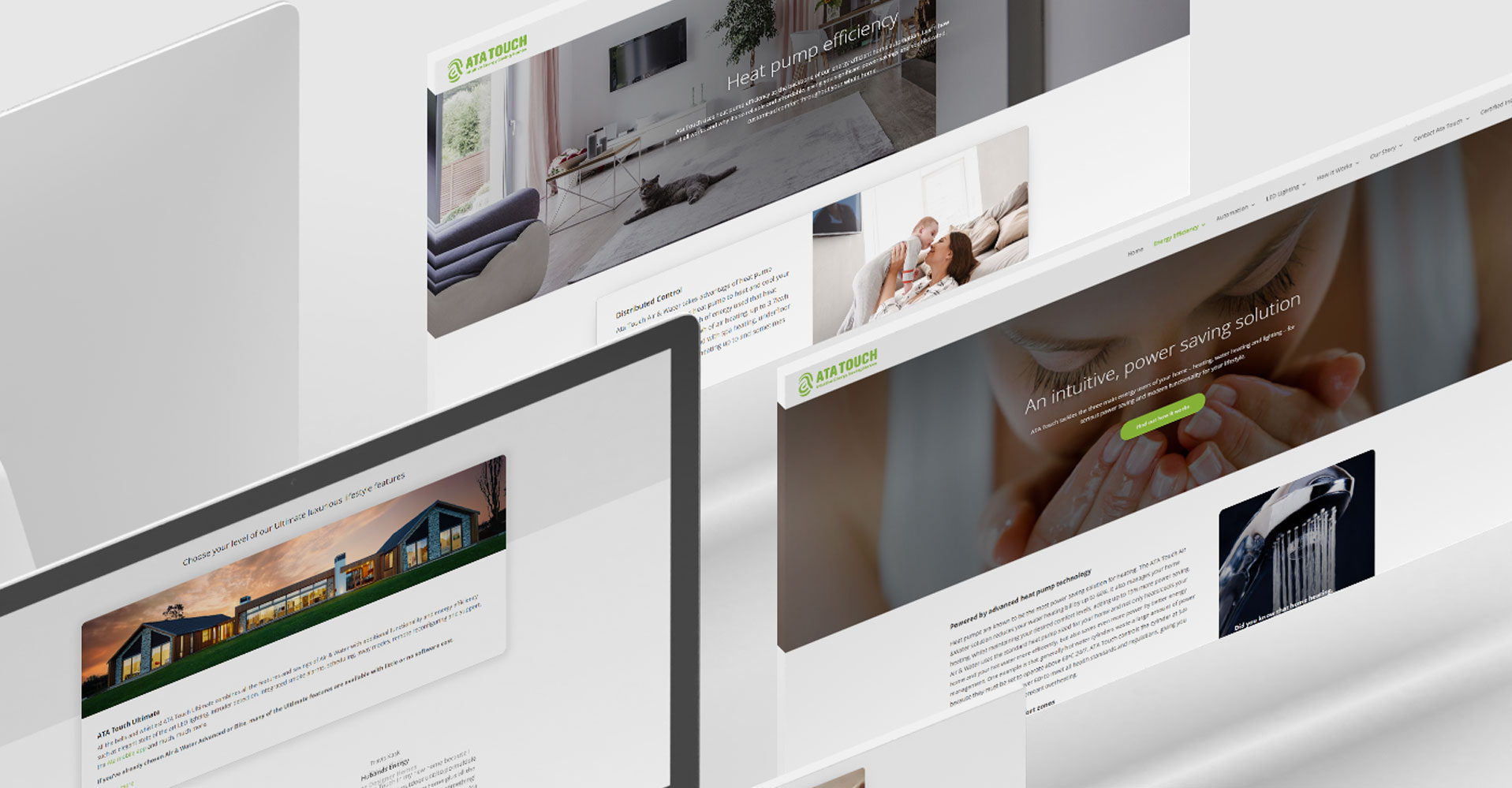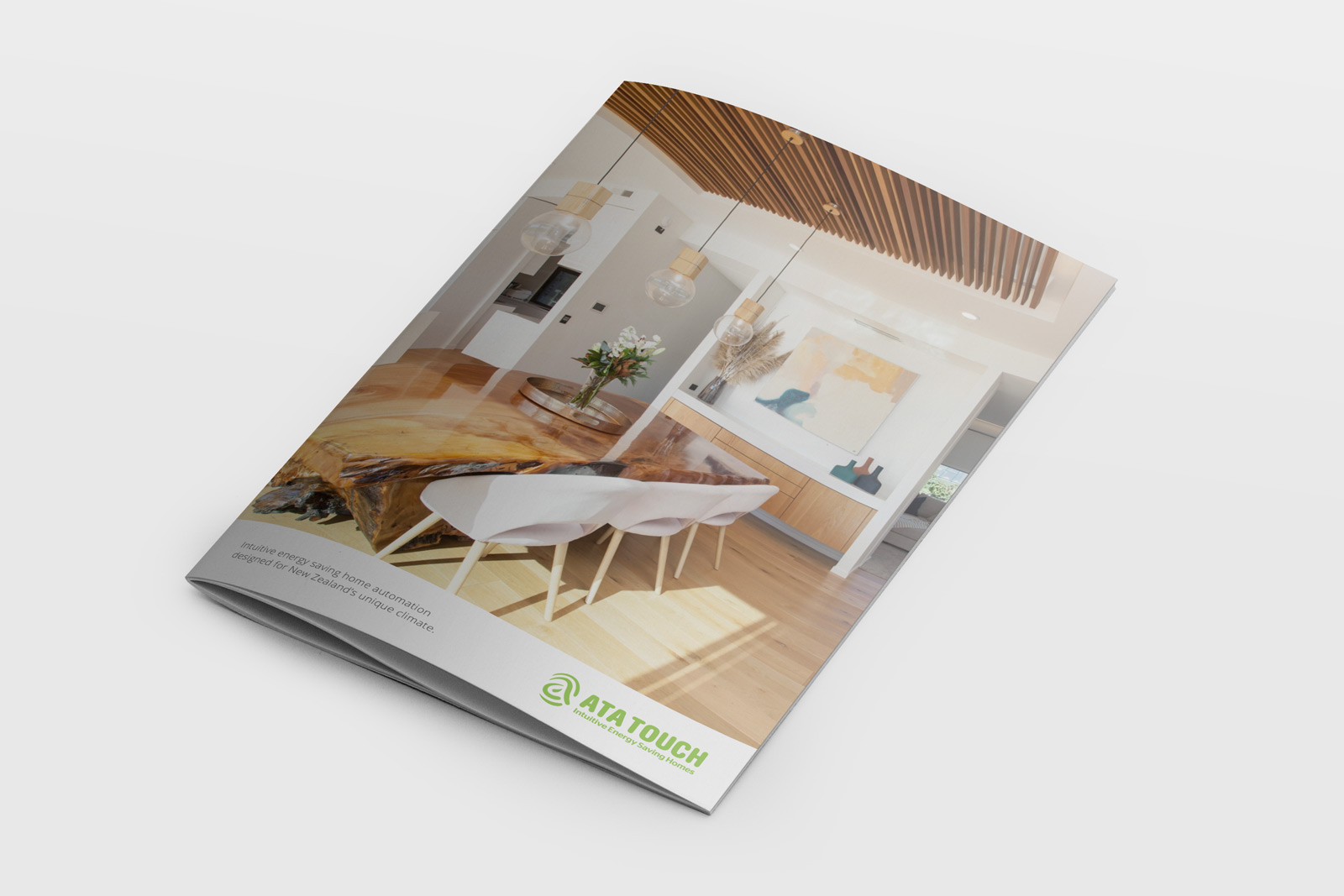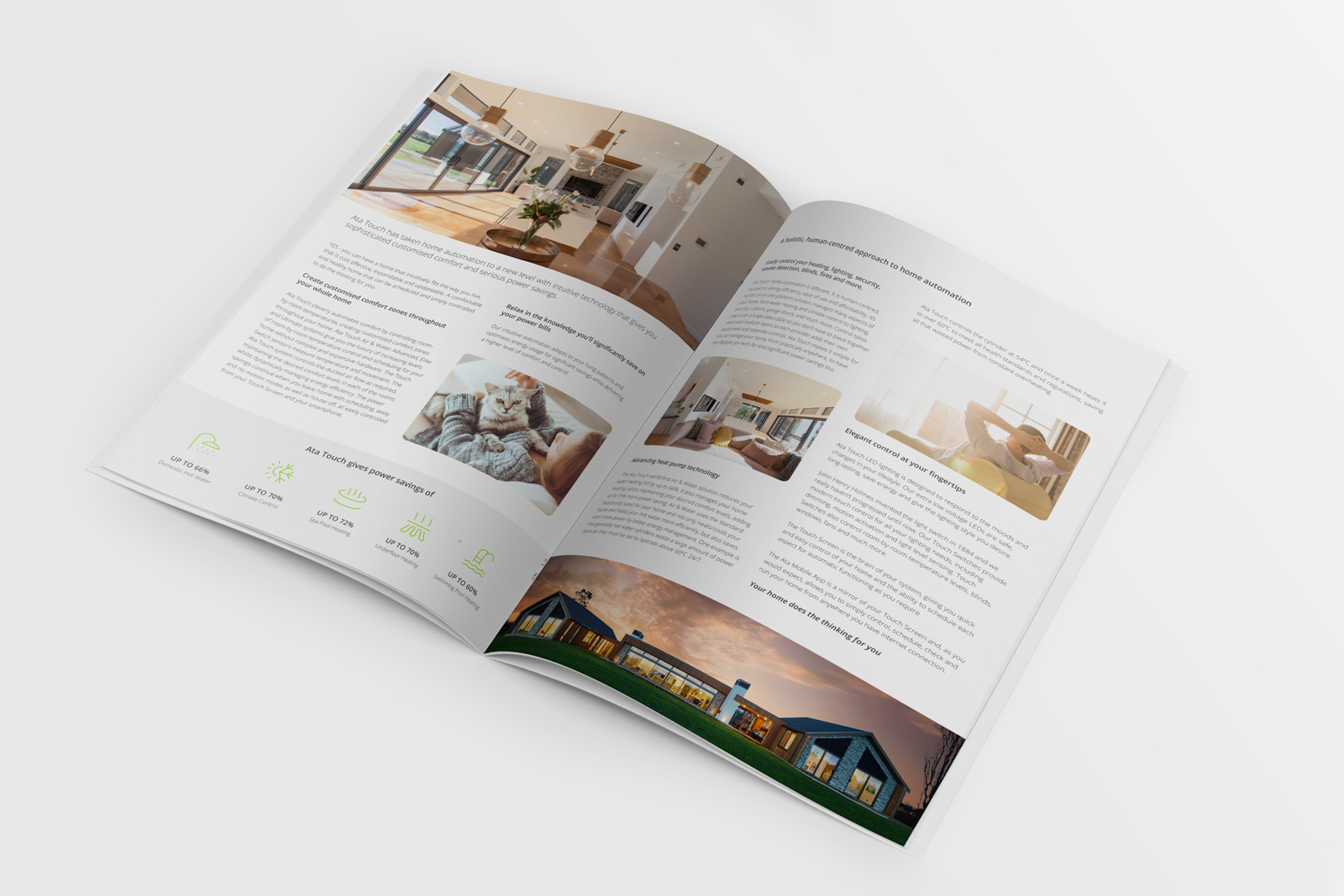
Ata Touch had developed a sophisticated home automation platform designed specifically for New Zealand homes. The technology itself was advanced, integrated and highly intelligent. The problem was that many consumers found home automation intimidating.

For years, the category had conditioned homeowners to think of smart homes as complicated systems involving disconnected apps, multiple platforms and confusing technical jargon. Most people understood the promise of automation, but not necessarily how it all worked together or whether it would genuinely make life easier.

Ata Touch needed to shift the conversation away from technology complexity and toward human experience.

The challenge wasn’t selling features.

It was making automation feel intuitive.

Through the brand strategy and messaging process, we identified that the strongest differentiator wasn’t simply the technology capability itself, but the way the platform behaved. Unlike many fragmented smart home systems that require multiple disconnected products, Ata Touch operated as one integrated ecosystem.

That insight became the foundation for the positioning platform: “The Intuitive Home”.
Rather than describing the product like a piece of software, we framed the home almost like a living system, inspired by the way the human body responds to its environment.

The messaging focused on the idea that the home could see, sense and adjust automatically to changing conditions and human needs. Heating, cooling, lighting, water heating, access control and smoke detection were all connected within one central platform, allowing the technology to work together naturally instead of forcing homeowners to manually manage separate systems.

This human-centred framing helped demystify the category considerably.

Instead of talking about protocols, automation layers or technical specifications, the story focused on comfort, calmness and simplicity. The system became less about controlling technology and more about creating an environment that quietly adapted around the people living in it.

The positioning also aligned strongly with New Zealand conditions.

Because the platform was specifically designed for New Zealand’s variable climate, the messaging highlighted how the system intelligently managed room-by-room comfort, reduced unnecessary heating and cooling, and improved overall energy efficiency without requiring constant user intervention.

Importantly, the strategy helped reposition home automation from a luxury gadget category into something far more human and practical.

The final brand copy gave Ata Touch a clearer, more emotionally engaging way to explain complex technology, helping customers understand not only what the system did, but why it genuinely improved the way people lived inside their homes.


TESTIMONIAL:  Jain Tait, Executive Director of Ata Touch
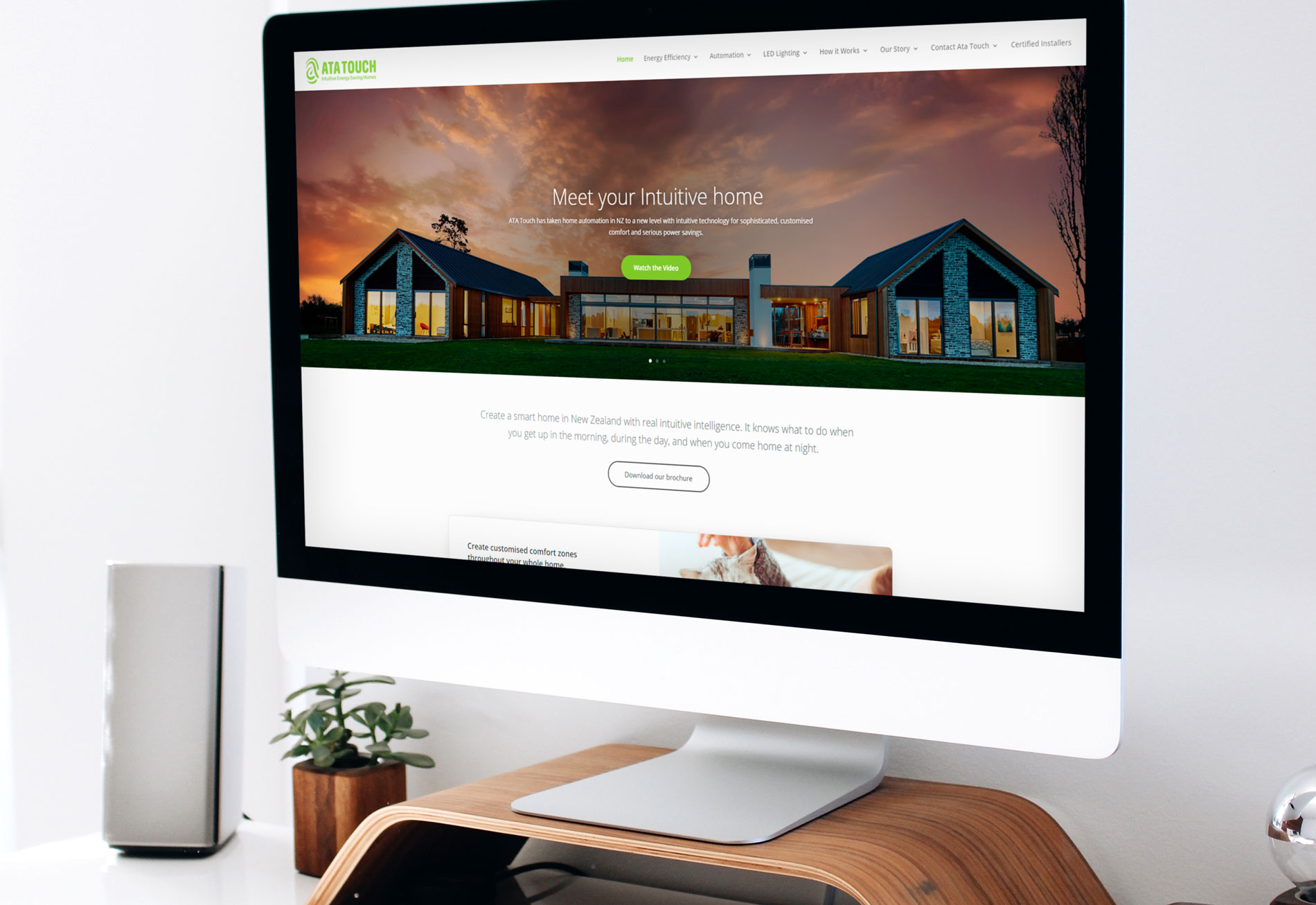
“Try as we might, potential customers were having difficulty understanding just how our energy saving home automation system worked and what you could achieve with it. We luckily saw the Brand IQ website and spoke with Steve of Brand IQ who sat down with us and helped us identify the solution.  He and the team presented us with a unique brand story that clearly defined the Ata Touch offering. They then produced an explainer video, refreshed our website to reflect our new brand story messaging, and took care of our digital marketing. It has been a pleasure working with Brand IQ and they took the weight off our shoulders in trying to digitally connect with our customer markets.”