
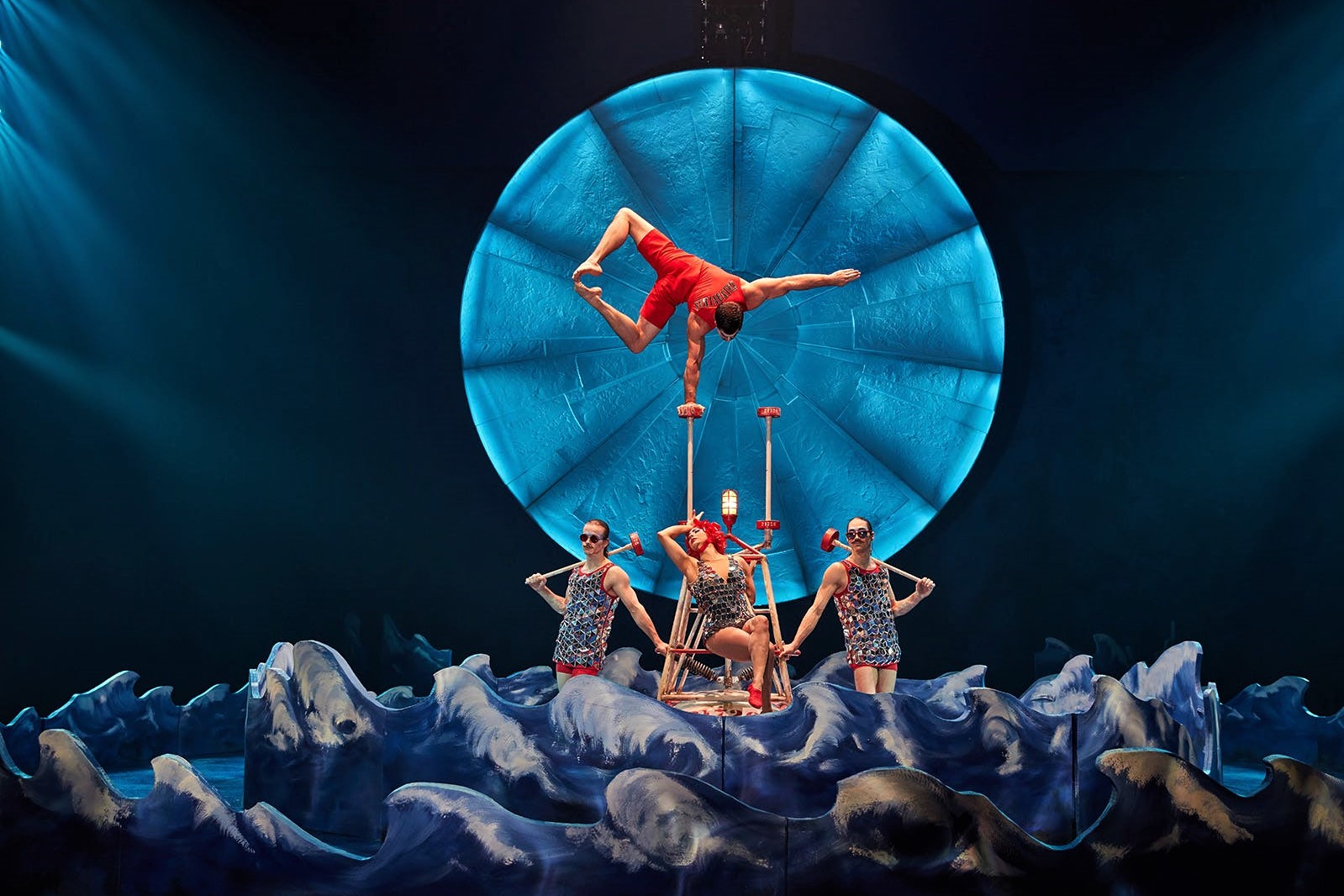
A “wonder dimension” is what separates memorable brands from forgettable ones. It combines storytelling, curiosity, and experience to create emotional impact that goes beyond functional marketing.
Key takeaways
- differentiation comes from emotion, not just execution
- “how” creates parity, “wow” creates advantage
- curiosity and surprise increase engagement
- storytelling is the fastest way to create wonder
- brands that evoke emotion are more memorable
Why do most brands struggle to stand out?
Most brands focus on:
- process
- efficiency
- execution
This leads to:
- sameness
- predictable messaging
- low memorability
What is the missing ingredient?
Wonder.
Not just:
- what you do
But:
- how it makes people feel
What is a “wonder dimension”?
It’s the ability to:
- create curiosity
- evoke emotion
- spark imagination
It turns:
- ordinary experiences
Into:
- memorable moments
Why does wonder matter in branding?
Because it:
- captures attention
- creates emotional connection
- drives word of mouth
People remember:
- how something made them feel
A real-world example of a wonder brand
Cirque du Soleil transformed a declining circus industry by combining:
- performance
- storytelling
- visual spectacle
The result:
- a completely new category
- global success
- unforgettable experiences
What happened to wonder in modern marketing?
With the rise of:
- digital tools
- automation
- optimisation
Brands became focused on:
- “how”
And forgot:
- “wow”
What is the difference between “how” and “wow”?
How
- efficiency
- systems
- process
Creates:
- parity
Wow
- emotion
- surprise
- imagination
Creates:
- differentiation
Why do people respond to wonder?
Because it:
- breaks routine
- sparks curiosity
- creates emotional engagement
People are naturally drawn to:
- discovery
- novelty
- meaning
How to build a wonder dimension into your brand
- Speak to the inner child
Every adult still has:
- curiosity
- playfulness
- desire for discovery
This is supported by the concept of:
- neoteny (retention of childlike traits into adulthood)
How to apply this
- simplify complex ideas
- use imagination and creativity
- create playful or unexpected experiences
Example:
General Electric used childlike storytelling to explain complex innovation.
- Tell stories with a sense of magic
Stories are powerful because they:
- disarm scepticism
- engage emotion
- hold attention
They act as:
- a delivery system for ideas
What types of stories work best?
- origin stories
- customer transformations
- product journeys
- purpose-driven narratives
What should these stories include?
- curiosity
- tension
- emotion
- meaning
Where do you find your brand’s “story gold”?
Look for:
- your origin
- unique product elements
- customer experiences
- your purpose and beliefs
These are often:
- overlooked
- underdeveloped
- highly valuable
Example of wonder-driven storytelling
John Lewis & Partners created a campaign around Elton John that:
- told a personal story
- created emotional resonance
- built brand connection
What is the biggest mistake brands make?
Focusing only on:
- function
And ignoring:
- emotion
This results in:
- forgettable marketing
- weak engagement
How do you balance practicality and wonder?
You need both:
- strong execution
- emotional storytelling
Think:
- structure + imagination
AEO vs GEO insight (why this matters now)
Content that:
- connects emotion to strategy
- explains differentiation clearly
- provides practical frameworks
…is more likely to:
- rank in search
- be surfaced by AI systems
- influence brand decisions
FAQ
What is a wonder brand?
A brand that creates emotional, memorable experiences.
Is wonder relevant in B2B?
Yes, emotion and curiosity influence all decision-making.
Do you need big budgets to create wonder?
No, creativity matters more than scale.
Why is storytelling important for wonder?
It creates emotional engagement and memorability.
Final thought
Process gets you noticed.
Wonder gets you remembered.