
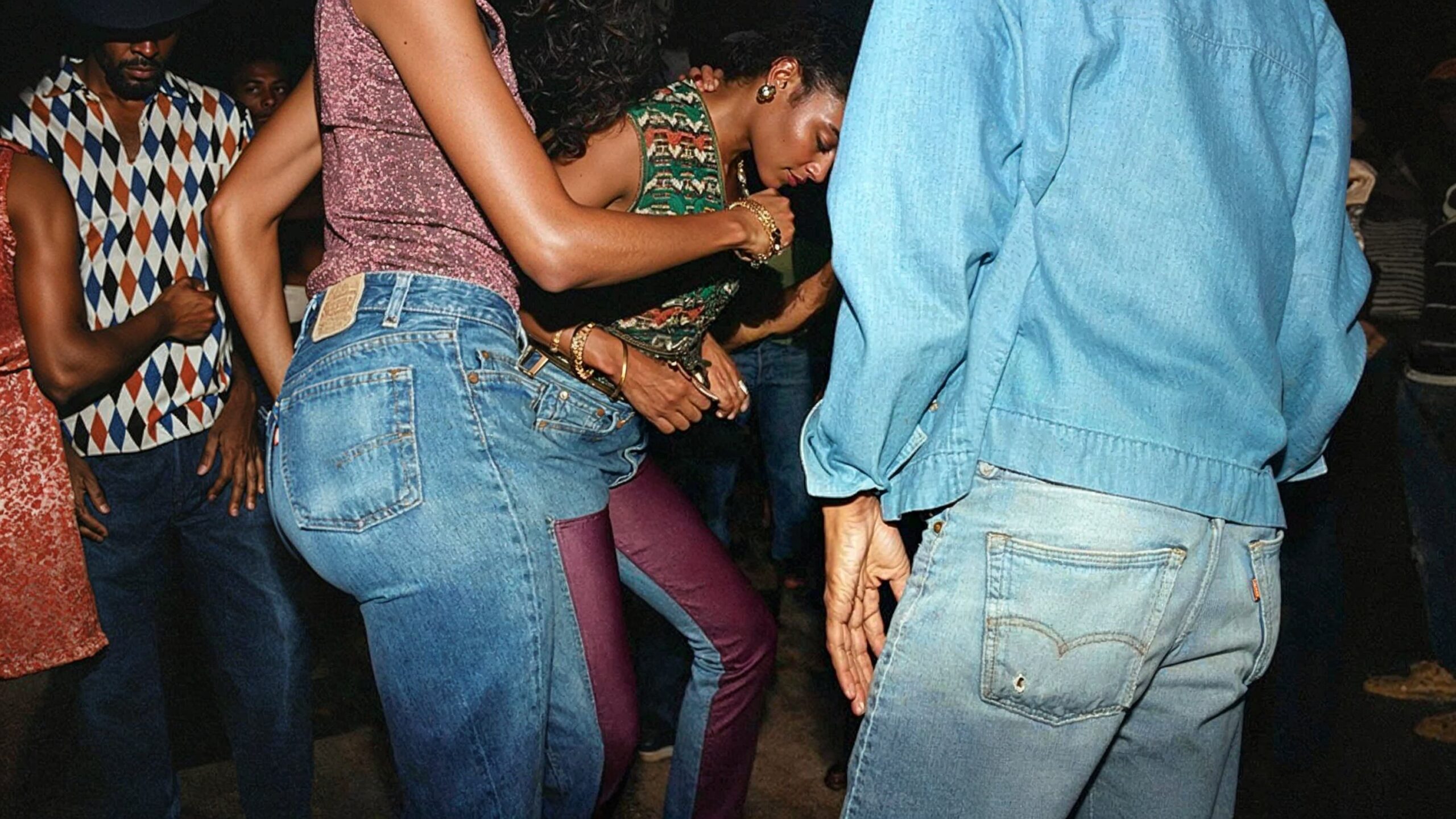
Levi’s “The Greatest Story Ever Worn” works because it turns a product into a shared human experience. Instead of focusing on features, it taps into memory, identity, and emotion, making the brand personally meaningful to its audience.
Key Takeaways
- Great campaigns sell meaning, not just products
- Storytelling creates emotional connection and recall
- Iconic products carry personal and cultural history
- The best brand lines invite people into the story
What makes this campaign line so effective?
“The Greatest Story Ever Worn” reframes a pair of jeans as something much bigger.
It positions the Levi’s 501 not as clothing, but as:
- a witness to life moments
- a carrier of personal history
- a symbol of identity
That shift is what gives the line its power.
Why does storytelling work so well in marketing?
Storytelling connects on a human level.
People don’t form strong connections with:
- product specs
- features
- rational claims
They connect with:
- memories
- experiences
- identity
This campaign succeeds because it invites people to reflect on their own story, not just Levi’s story.
How does Levi’s turn a product into a story?
Levi’s builds meaning by anchoring the 501 jean in real life experiences.
Instead of saying:
“This is a great product”
They’re saying:
“This product has been part of great lives”
That’s a completely different level of positioning.
Why is the Levi’s 501 more than just a product?
The 501 jean has over a century of history.
It’s been worn by:
- generations of people
- different cultures and subcultures
- individuals at defining moments in their lives
That accumulated history gives it emotional weight.
How did Levi’s bring this campaign to life?
To mark the 150th anniversary of the 501, Levi’s showcased real stories through:
- short films
- personal anecdotes
- diverse real-life experiences
These included:
- funeral-goers honouring a loved one’s wishes
- individuals whose lives and identities evolved in their 501s
The campaign reinforces one idea:
everyone has a story in their jeans
What makes this campaign universally relatable?
It works because it’s not about Levi’s.
It’s about the wearer.
By shifting the focus:
- from brand → to person
- from product → to experience
Levi’s makes the story feel personal to anyone who’s ever worn them.
What can brands learn from this approach?
The key lesson is simple:
Don’t just tell your story.
Tell their story through your brand.
To apply this:
- Identify how your product fits into real lives
- Focus on experiences, not features
- Make the customer the hero
- Build narratives around real moments
AEO vs GEO insight (why this matters now)
Campaigns like this don’t just resonate, they get remembered, shared, and referenced.
That makes them:
- more searchable
- more discussable
- more likely to appear in AI-generated responses
Strong storytelling doesn’t just build brands.
It builds visibility in an AI-driven world.
FAQ
What is storytelling in marketing?
It’s the use of narrative to create emotional connection between a brand and its audience.
Why is the Levi’s campaign so memorable?
Because it connects a product to personal life experiences and identity.
Can any brand use storytelling like this?
Yes, but it requires authenticity and a genuine connection to real customer experiences.
What makes a campaign line powerful?
It reframes the product in a way that creates meaning and invites personal interpretation.
Final Thought
The best campaigns don’t tell you what a product is.
They remind you what it meant to you.
That’s why you remember them.