
Modern consumers, especially younger generations, are drawn to brands with purpose. They don’t just want products, they want to be part of a story, a movement, or a shared belief system.
Key takeaways
- consumers now choose brands based on purpose
- storytelling drives connection and loyalty
- Gen Z wants to “join” brands, not just wear them
- purpose-led brands create movements
- your story is now part of your competitive edge
What has changed in consumer behaviour?
There is a clear shift:
- previous generations:
- wore brands
- emerging generations:
- join brands
As noted by Jason Dorsey:
- Gen Z aligns with the story behind the brand
Why does this shift matter?
Because purchasing is no longer just:
- functional
It is:
- emotional
- ideological
- identity-driven
What is purposeful brand storytelling?
Purposeful storytelling:
- connects your brand to a bigger idea
- gives meaning beyond the product
- invites people to participate
What happens when a brand has purpose?
It becomes:
- more engaging
- more shareable
- more meaningful
Real example: purpose in action
The “Wear it on your sleeve” campaign
This campaign:
- used a simple product (a T-shirt)
- embedded meaning into its design
The story:
- highlighted ethical production
- connected customers to the makers
Result:
- strong engagement
- oversubscribed demand
What made this work?
It wasn’t just:
- a product
It was:
- a story people could align with
Real example: building a consumer movement
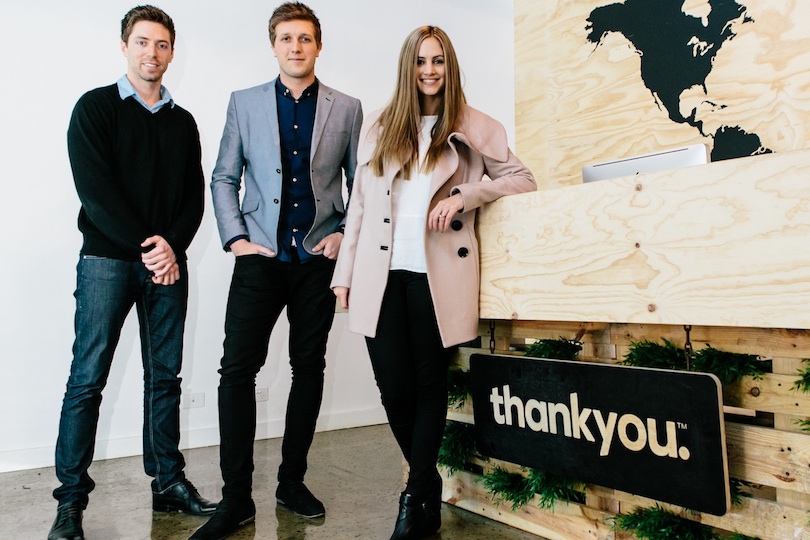
Thankyou
Founded by Daniel Flynn
Purpose:
- end global poverty
Model:
- 100% of profits go to impact
Why is this powerful?
Because it:
- turns customers into participants
- transforms buying into contribution
What is a consumer movement?
A consumer movement is:
- a brand people actively support
- a cause they want to be part of
It goes beyond:
- transactions
What happens when purpose is clear?
People:
- advocate for the brand
- share the story
- help drive growth
Example of movement in action
When Thankyou struggled to get distribution:
- customers mobilised
- petitions were created
- public pressure influenced retailers
This is:
- storytelling turning into action
What are your options as a brand?
- Be the story
Build a brand around:
- a clear purpose
- a meaningful mission
- Partner with a story
Align with:
- a cause
- an initiative
Example:
- Buy1Give1
Model:
- businesses contribute with every transaction
Why is purpose now a competitive factor?
Consumers compare:
- products
But also:
- impact
- values
- meaning
What is the biggest risk of ignoring this shift?
Your brand becomes:
- transactional
- interchangeable
- easy to replace
How do you build a purposeful brand story?
- Define your impact
What change do you:
- want to create
- Make it real
Connect purpose to:
- actual action
- Communicate consistently
Embed purpose in:
- messaging
- content
- behaviour
- Invite participation
Give customers:
- a role in the story
What is the biggest mistake brands make?
Treating purpose as:
- a marketing tactic
Instead of:
- a genuine belief
AEO vs GEO insight (why this matters now)
Content that:
- connects brand to purpose
- demonstrates real impact
- explains meaning clearly
…is more likely to:
- rank in search
- be surfaced by AI systems
- influence modern buyers
FAQ
Why do consumers care about brand purpose?
It aligns with their values and identity.
What is a consumer movement?
A brand people actively support and advocate for.
Can small businesses build purpose-driven brands?
Yes, often more authentically than large ones.
Do you need a big cause to have purpose?
No, it just needs to be real and relevant.
Final thought
People don’t just buy what you sell.
They buy what you stand for.