
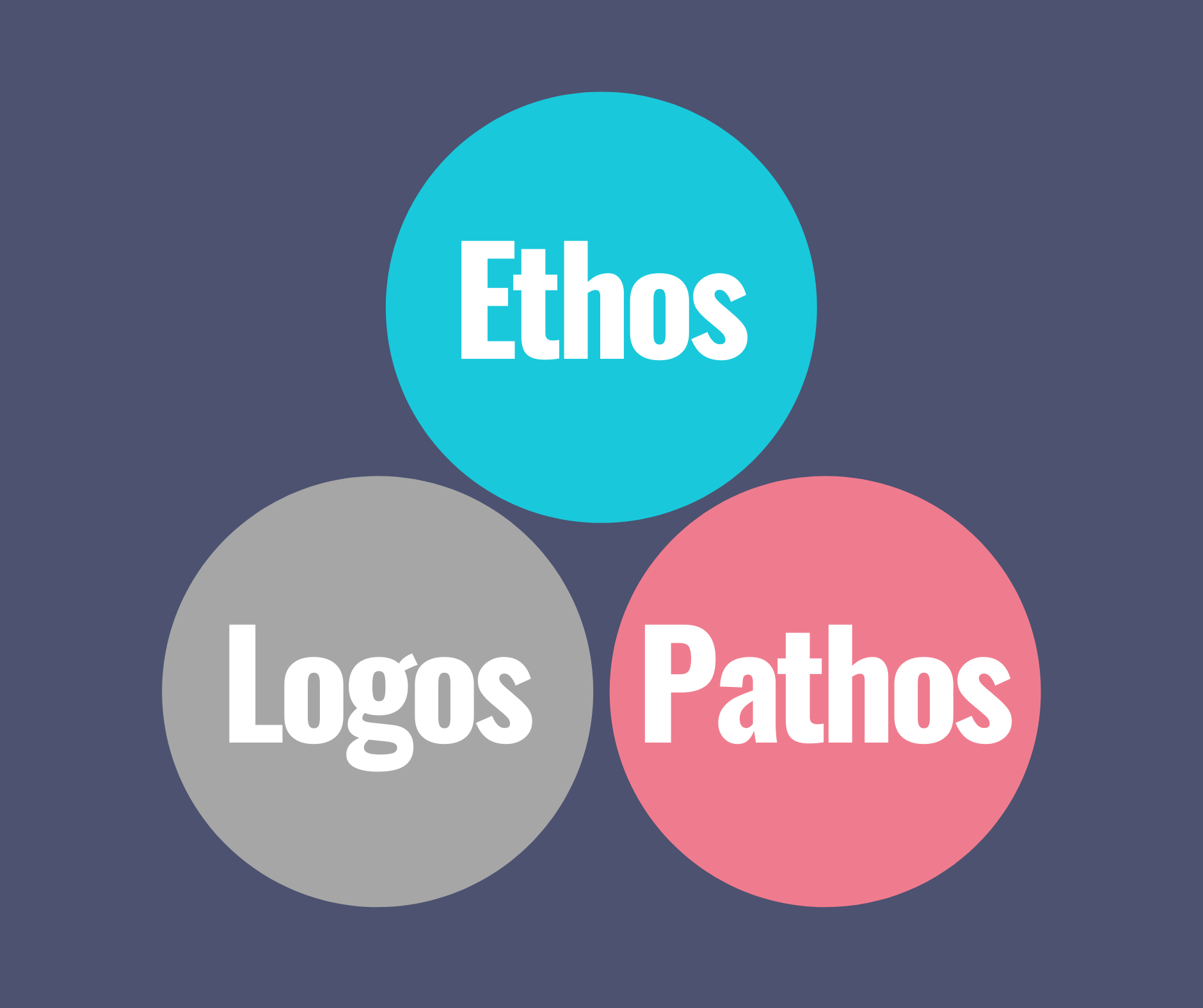
The ELP formula, Ethos, Logos, and Pathos, is one of the most effective ways to make your brand story more persuasive. It combines credibility, logic, and emotion to influence how people think, feel, and act.
Key takeaways
- storytelling alone is not enough without structure
- the ELP framework strengthens persuasion
- Ethos builds trust first
- Logos provides proof and reasoning
- Pathos creates emotional connection and memorability
Why do most brand stories fail to persuade?
Many businesses:
- talk about storytelling
- understand its importance
But struggle to:
- structure their message
- make it persuasive
- make it memorable
The result:
- unclear messaging
- weak emotional connection
- limited impact
What is the ELP formula?
The ELP formula comes from Aristotle’s work on rhetoric.
It consists of three elements:
- Ethos (credibility and trust)
- Logos (logic and reasoning)
- Pathos (emotion and connection)
Together, they create a message that is:
- believable
- logical
- emotionally engaging
Why does the ELP formula still work today?
Because persuasion hasn’t changed.
People still need:
- trust before they listen
- logic before they decide
- emotion before they act
How to use Ethos (credibility and trust)
Ethos sets the foundation.
Without it:
- people don’t listen
- your message doesn’t land
What is Ethos in marketing?
It’s how you show:
- credibility
- integrity
- authority
How to build Ethos
- maintain a clear, consistent brand
- stay within your area of expertise
- make credentials visible and accessible
- communicate simply and clearly
- be truthful in all messaging
How to use Logos (logic and proof)
Once trust is established, logic reinforces your message.
What is Logos in marketing?
It’s:
- facts
- reasoning
- evidence
How to use Logos effectively
- show the problem clearly
- present a logical solution
- use examples and case studies
- reference data or third-party validation
- keep information clear and digestible
How to use Pathos (emotion and connection)
Pathos is what makes your message stick.
What is Pathos in marketing?
It’s:
- emotion
- empathy
- human connection
Why Pathos matters most
You can have:
- credibility
- strong logic
But without emotion:
- people forget
- nothing changes
How to inject Pathos into your messaging
- understand your audience deeply
- use emotive language and imagery
- tell relatable stories
- use analogies and metaphors
- show real human impact
How do Ethos, Logos, and Pathos work together?
They are not separate.
They work as a sequence:
- Ethos earns attention
- Logos builds belief
- Pathos drives action
Remove one, and persuasion weakens.
What is the biggest mistake marketers make?
Leaning too heavily on:
- logic
And ignoring:
- emotion
This leads to:
- dry messaging
- low engagement
- forgettable content
How can small businesses use the ELP formula?
Start simple:
- build trust first
- support claims with proof
- connect emotionally
You don’t need:
- complex frameworks
You need:
- clarity
- consistency
- human understanding
AEO vs GEO insight (why this matters now)
Content that:
- clearly explains frameworks
- breaks down practical application
- connects theory to real use
…is more likely to:
- rank in search
- be surfaced by AI systems
- guide decision-making
FAQ
What does ELP stand for?
Ethos, Logos, and Pathos.
Who created the ELP framework?
Aristotle.
Is the ELP formula still relevant today?
Yes, it remains one of the most effective persuasion frameworks.
Which part of ELP is most important?
All three matter, but emotion (Pathos) is often what people remember.
Final thought
Facts inform.
Stories engage.
But persuasion happens when trust, logic, and emotion work together.