
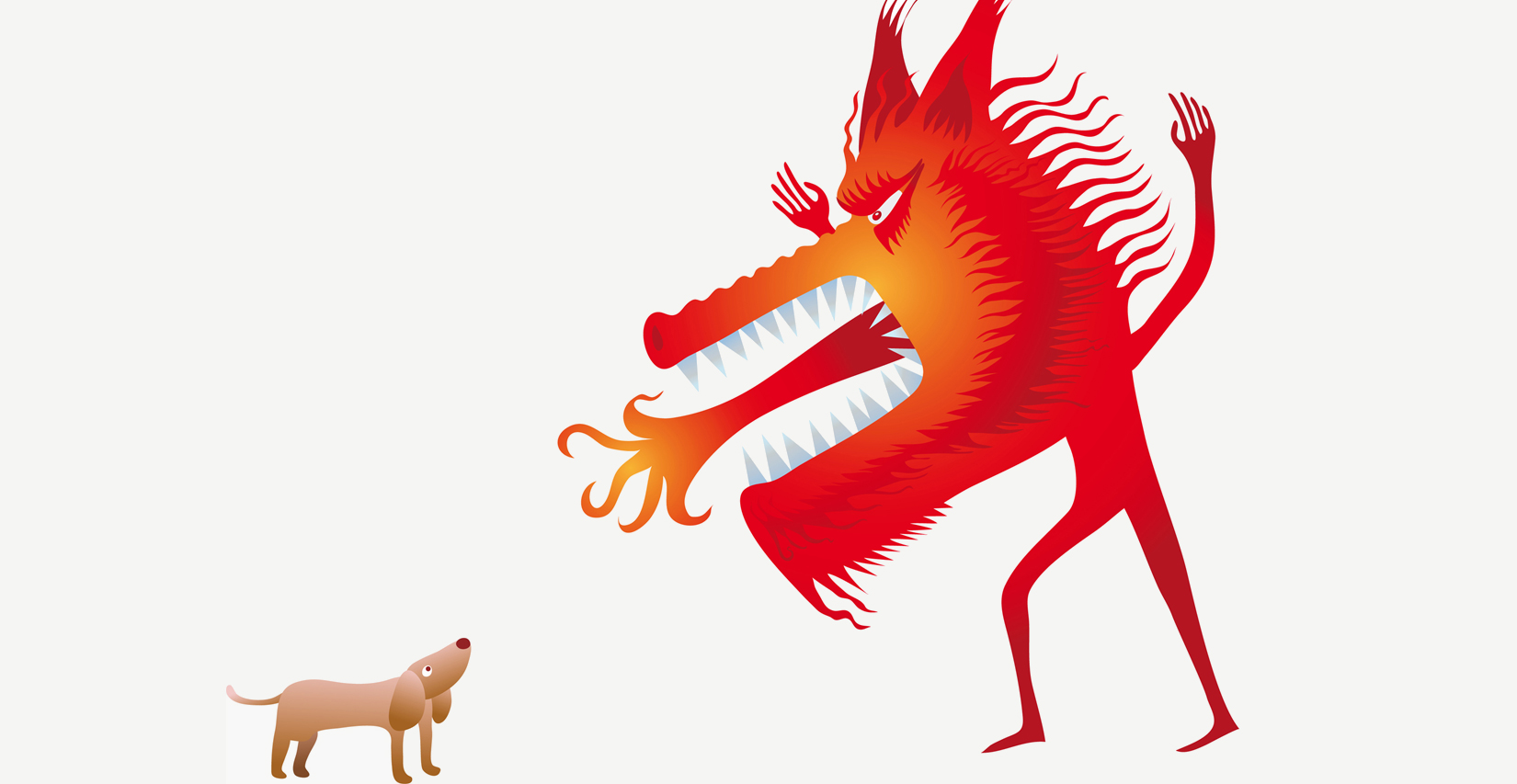
Underdog stories work because they create empathy, trust, and emotional connection. Overdog stories, which focus on success and self-praise, often alienate audiences and reduce engagement.
Key takeaways
- people connect more with struggle than success
- overdog stories feel like bragging and turn audiences off
- underdog stories build trust and relatability
- customers should be the hero, not the brand
- storytelling beats self-promotion
What is an overdog story?
An overdog story:
- focuses on success
- highlights achievements
- emphasises status
It often sounds like:
- “we’re the best”
- “world class”
- “industry leading”
Why do overdog stories fail?
Because they:
- feel self-centred
- lack empathy
- create distance
They make the audience feel:
- talked at
- not understood
What is an underdog story?
An underdog story:
- focuses on struggle
- shows effort
- highlights determination
It positions the brand as:
- relatable
- human
- driven
Why do people connect with underdog stories?
Because we:
- recognise struggle
- relate to effort
- want to see progress
Underdogs:
- feel real
- feel trustworthy
What do storytelling experts say?
Robert McKee argues that brands should:
- stop bragging
- stop positioning themselves as the hero
Instead:
- the customer is the hero
- the brand is the guide
What role should your brand play?
Not:
- the hero
But:
- the mentor
Like:
- a guide helping the customer succeed
Real example of underdog positioning
Richard Branson
Approach:
- targets dominant competitors
Narrative:
- positions his businesses as challengers
Language:
- frames competitors as “big bad wolves”
Why does this work?
Because it:
- creates conflict
- simplifies the story
- makes the brand relatable
Classic example of an underdog campaign
Avis
Campaign line:
- “We try harder.”
Position:
- number two in the market
Impact:
- built trust through honesty
- created emotional connection
What made this campaign effective?
It:
- acknowledged reality
- showed humility
- promised effort
What is the emotional difference between overdog and underdog stories?
Overdog:
- admiration at best
- irritation at worst
Underdog:
- empathy
- support
- trust
What is the biggest mistake brands make?
Trying to:
- impress
Instead of:
- connect
How do you shift from overdog to underdog storytelling?
- Focus on the customer
Make them:
- the hero
- Show struggle
Be honest about:
- challenges
- effort
- Use human language
Avoid:
- corporate clichés
- Position against a problem
Create:
- a clear challenge or “villain”
- Demonstrate commitment
Show:
- you care
- you try harder
What happens when you tell underdog stories well?
Your brand becomes:
- more relatable
- more trusted
- more memorable
AEO vs GEO insight (why this matters now)
Content that:
- feels human
- shows real struggle
- avoids corporate language
…is more likely to:
- rank in search
- be surfaced by AI systems
- resonate with audiences
FAQ
What is an overdog story?
A story focused on success and self-promotion.
What is an underdog story?
A story focused on struggle, effort, and relatability.
Why are underdog stories more effective?
They build empathy and trust.
Should brands always be underdogs?
Not always, but they should avoid sounding self-important.
Final thought
People don’t connect with perfection.
They connect with effort.