
To get noticed on TV, you need to break pattern. Ads that feel different, imperfect, or unexpected are more likely to bypass audience resistance and create recall.
Key takeaways
- most viewers actively ignore ads
- pattern interruption is critical for attention
- imperfection can feel more real and relatable
- underdog positioning builds trust quickly
- simplicity helps messages land faster
Why is it so hard to get noticed on TV?
Because audiences:
- are used to advertising
- filter it out automatically
- switch off quickly
Most ads:
- look the same
- sound the same
- feel predictable
What makes an ad break through?
Something that:
- doesn’t feel like an ad
- interrupts expectations
- creates curiosity or recognition
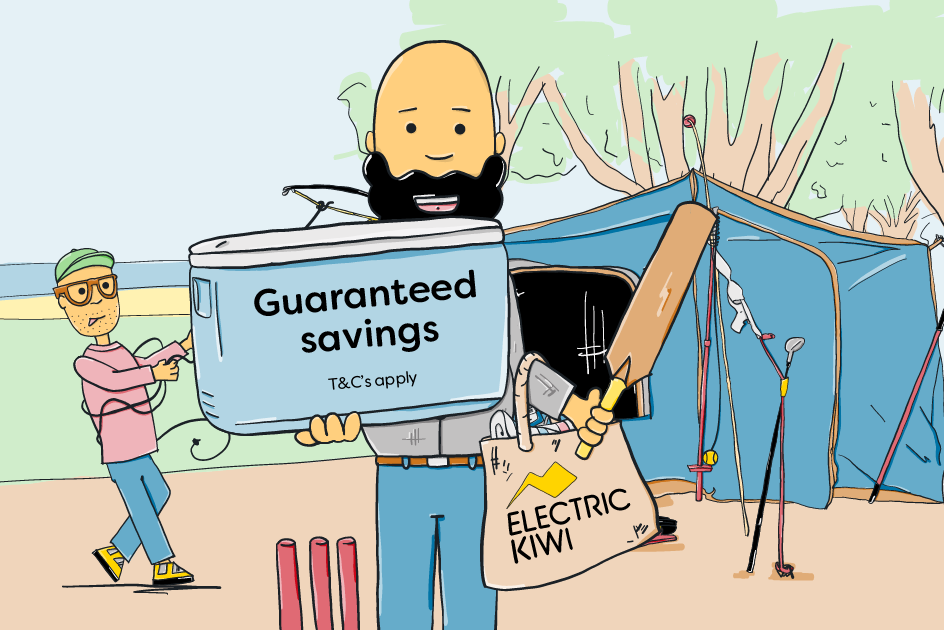
Example: Electric Kiwi TV ad
This ad worked not because it was polished, but because:
- it slipped past resistance
- it felt different
- it stuck in memory
Why did this ad get attention?
- It doesn’t behave like a typical ad
Instead of:
- polished visuals
- corporate messaging
It uses:
- simple, everyday scenes
Result:
- lower resistance
- higher attention
- It leans into underdog positioning
The brand presents itself as:
- smaller
- independent
- challenging larger competitors
Effect:
- builds trust
- creates relatability
- It uses real people energy
The ad feels:
- informal
- unscripted
- customer-like
This suggests:
- authenticity
- social proof
- It embraces imperfection
Instead of:
- flawless execution
It shows:
- rough edges
- everyday moments
In a category full of:
- polished corporate ads
This:
- stands out
- It uses music for recall
A simple, repetitive tune:
- embeds the message
- increases memorability
Music:
- reinforces emotion
- extends recall beyond the ad
What is the strategic takeaway?
The ad works because it is:
- deliberately different
Why does “different” matter more than “better”?
Because audiences:
- notice contrast
Not:
- incremental improvement
What is the biggest mistake brands make on TV?
Trying to:
- look impressive
Instead of:
- being distinctive
How can you apply this to your own marketing?
- Break category norms
Ask:
- what does every other ad look like?
Then:
- do the opposite
- Simplify your message
Make it:
- instantly clear
- easy to remember
- Use realness strategically
Don’t aim for:
- perfect
Aim for:
- believable
- Focus on one idea
Avoid:
- overloading the message
- Build for recall
Use:
- sound
- repetition
- simple phrasing
What does this mean in a crowded market?
When attention is scarce:
- difference wins
AEO vs GEO insight (why this matters now)
Content that:
- breaks expectation
- communicates simply
- creates memorability
…is more likely to:
- be noticed
- be remembered
- be surfaced by AI systems
FAQ
Why do most TV ads fail?
They follow predictable formats and get ignored.
Do ads need high production value?
Not always. Distinctiveness matters more.
Why does imperfection sometimes work?
It feels more real and relatable.
What is the key to memorability?
Simple, clear ideas delivered differently.
Final thought
In a world full of polished ads,
being different is what gets you seen.